
Butterfly Flower (1 Peso)
PDFGeneral information
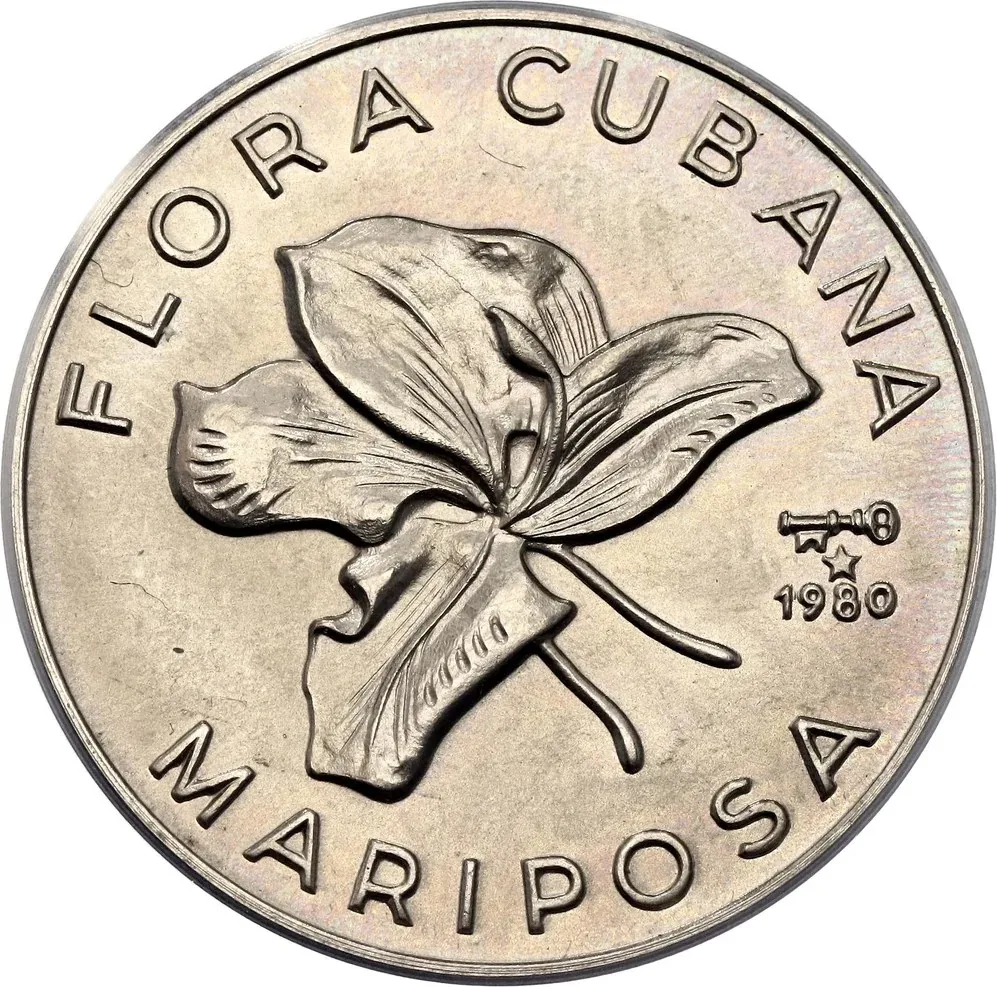
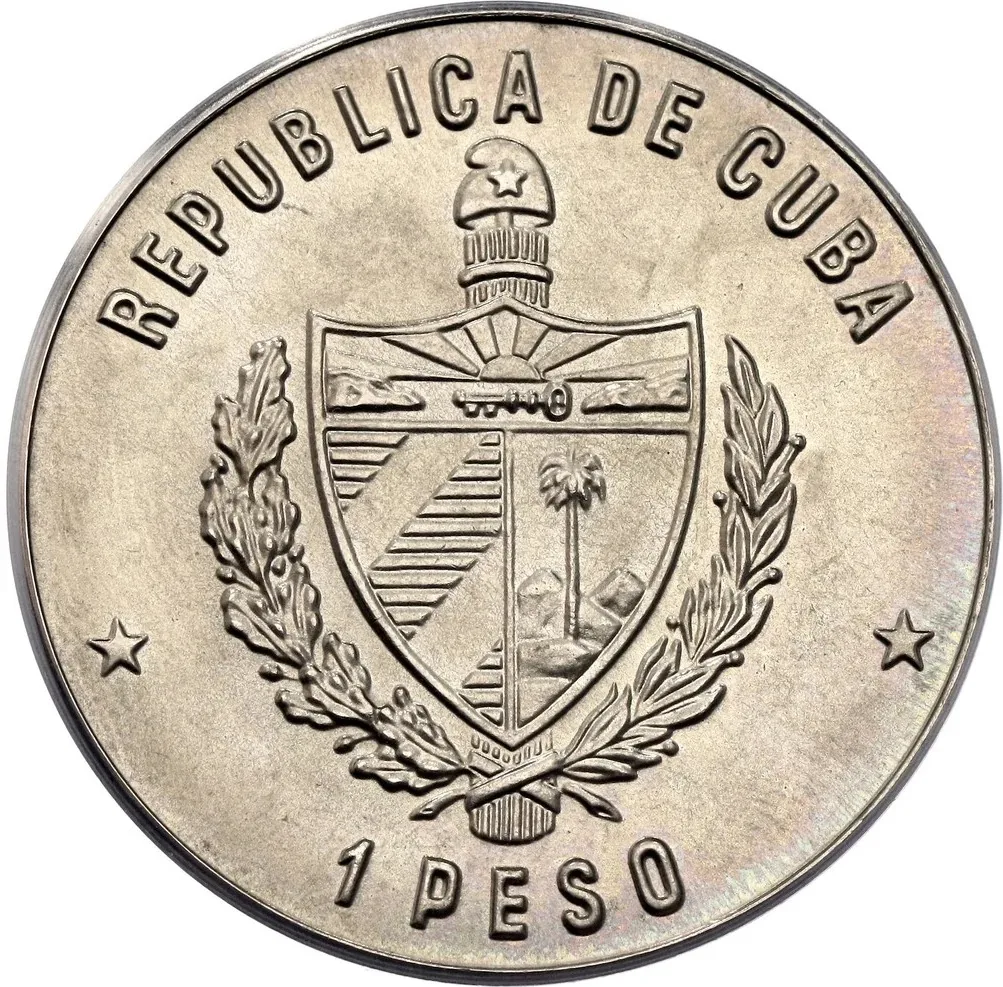

Description
Mariposa — “butterfly” in Spanish — needs no explanation in Cuba. This fragrant white flower of the ginger family (Hedychium coronarium) was officially given the status of national flower in 1936, and since then its image has appeared on emblems of organisations, on postage stamps and in songs. It is native to Asia and was once brought to the island as an ornamental plant, but it took root on Cuban soil so firmly that today it looks like a native. Large white blossoms with a soft sweet scent open in damp lowlands and along rivers.
History gives the flower a special meaning. According to popular tradition, during the wars of independence patriots used the white mariposa flowers and buds: notes for the rebels were hidden in them, and so the flower is seen as a sign of secret struggle, loyalty and hope. Historians are not sure how true this is in detail, but what matters is the very link of the image with the idea of freedom — it is what made the mariposa a symbol of the whole island and not just a pretty plant.
The coin belongs to the “Flora Cubana” series of 1980–1981, issued by the Havana mint for collectors. It is the first floral programme in Cuban history, with three subjects: the butterfly flower, the flower of the orange tree and the orchid. The coins were not meant for payments and were demonetised in the year of issue. The designs of the artistic sides for the dies were made in Spain, and the names of their authors are not published.
To show the flower the artist gave up a complex scene: before the viewer is a single open flower against foliage. That restraint, in the spirit of a botanical illustration, proves the best frame for the theme: the coin does not tell about the flower but simply shows it, leaving the story to the person holding it.
For a collector of nature-themed coins this issue is interesting also because it shows how in the early 1980s the Cuban mint presented the country to the world: not with heroic scenes but with a flower and a bird, that is, with what is pleasant to hold and needs no explanation. The coin is a small miniature, and it can be examined like an engraving: soft relief, a clear caption, a well-planned field.
Obverse
The obverse is the artistic side. In the centre an open mariposa flower is placed: petals spread like butterfly wings and stems with narrow leaves around it. The relief is soft and rounded, and the flower seems slightly raised above the field. The inscriptions FLORA CUBANA, MARIPOSA and the year 1980 are struck here, with the mint mark nearby. The simplicity of the composition gives it a calm reminiscent of a herbarium page. The petals are separated from one another by thin lines, which makes the flower look alive rather than flat.
Reverse
The reverse is the official side, common to the whole series. It carries the arms of Cuba in Charles Edward Barber’s drawing: a three-field shield, a Phrygian cap with a star, laurel and oak on the sides. The inscription REPUBLICA DE CUBA runs along the arc and the coin’s denomination is marked below. The arms are sharply outlined and lend the flower coin the official standing of a state issue without taking away the softness of the obverse.